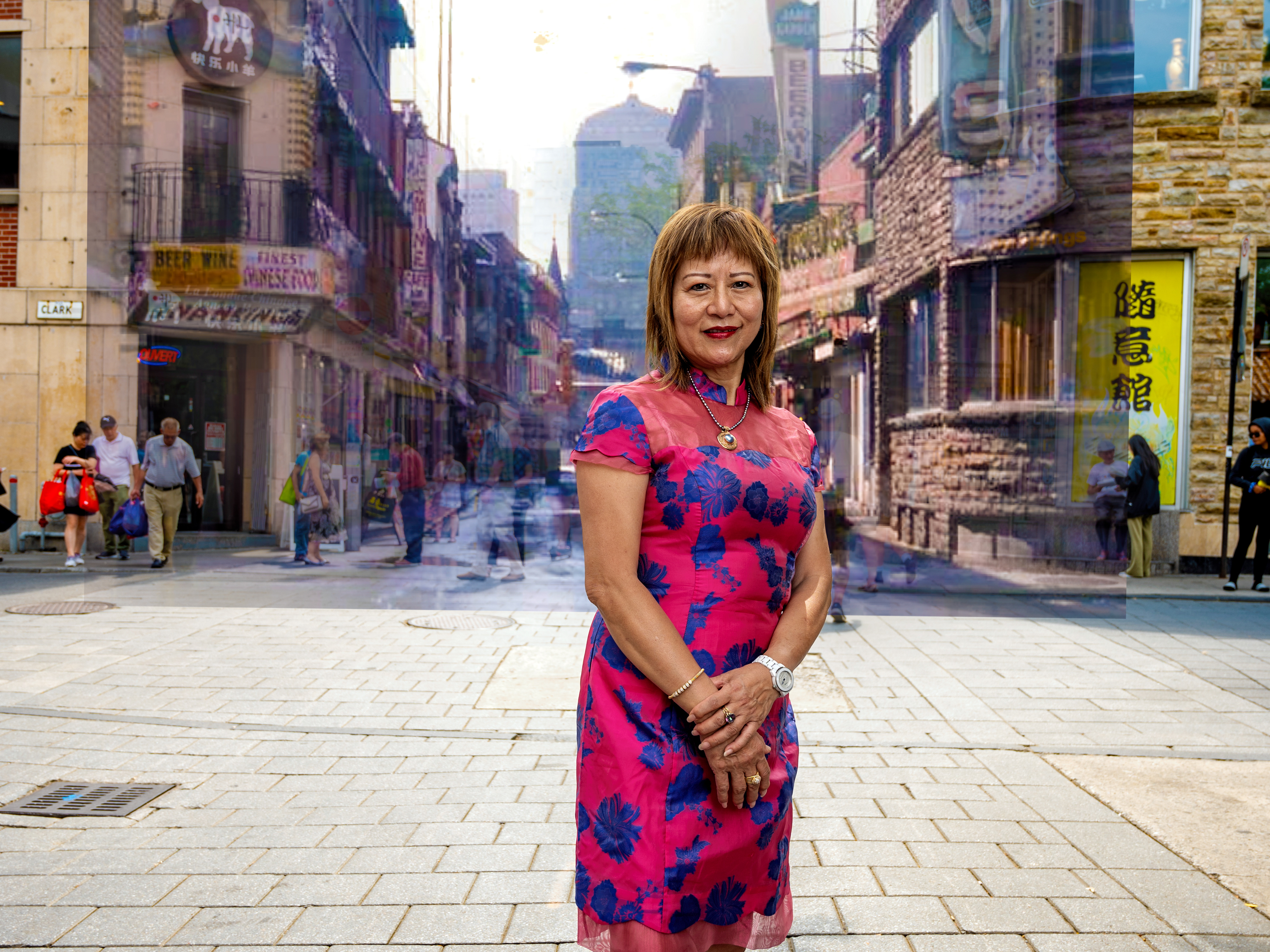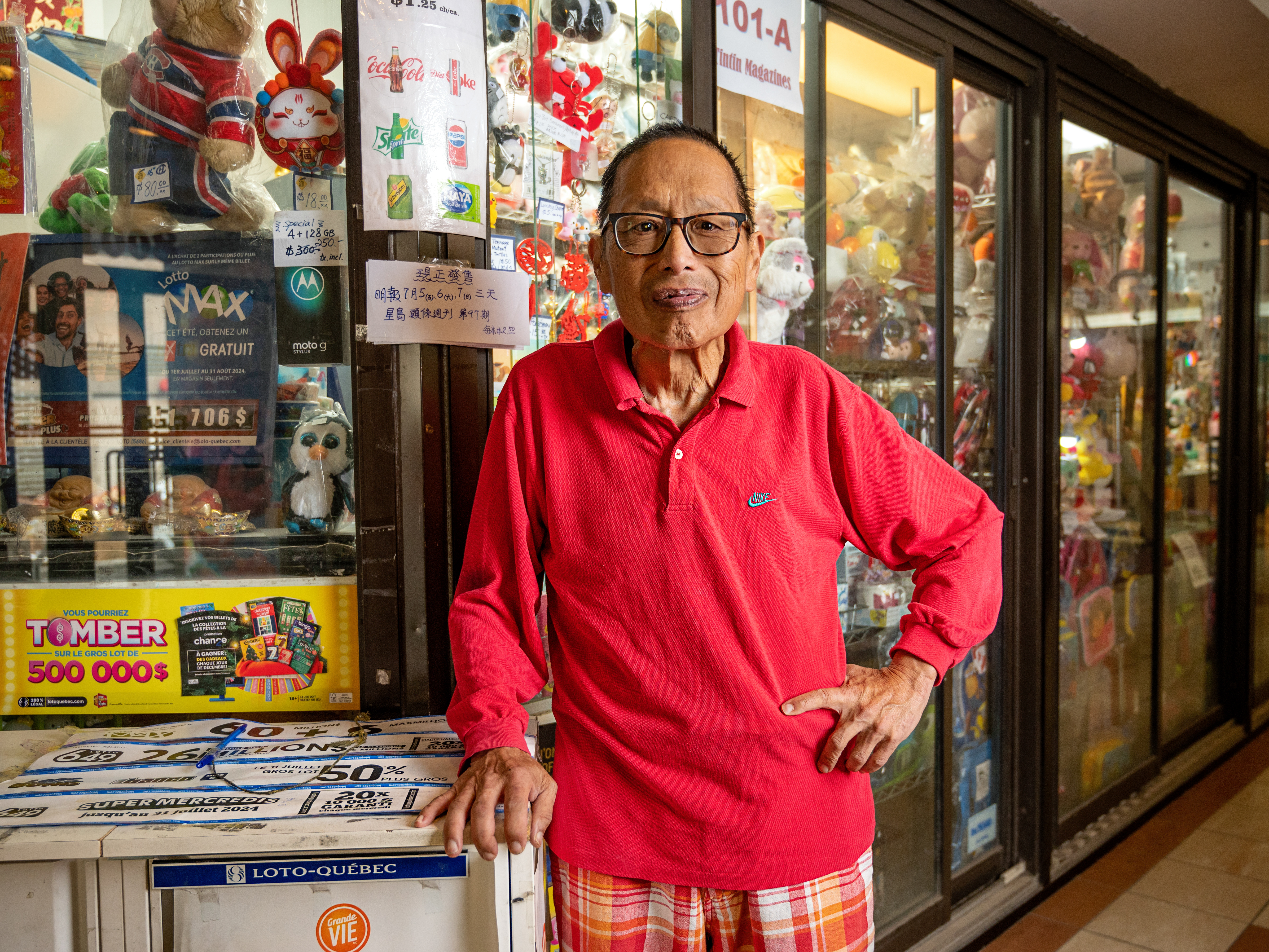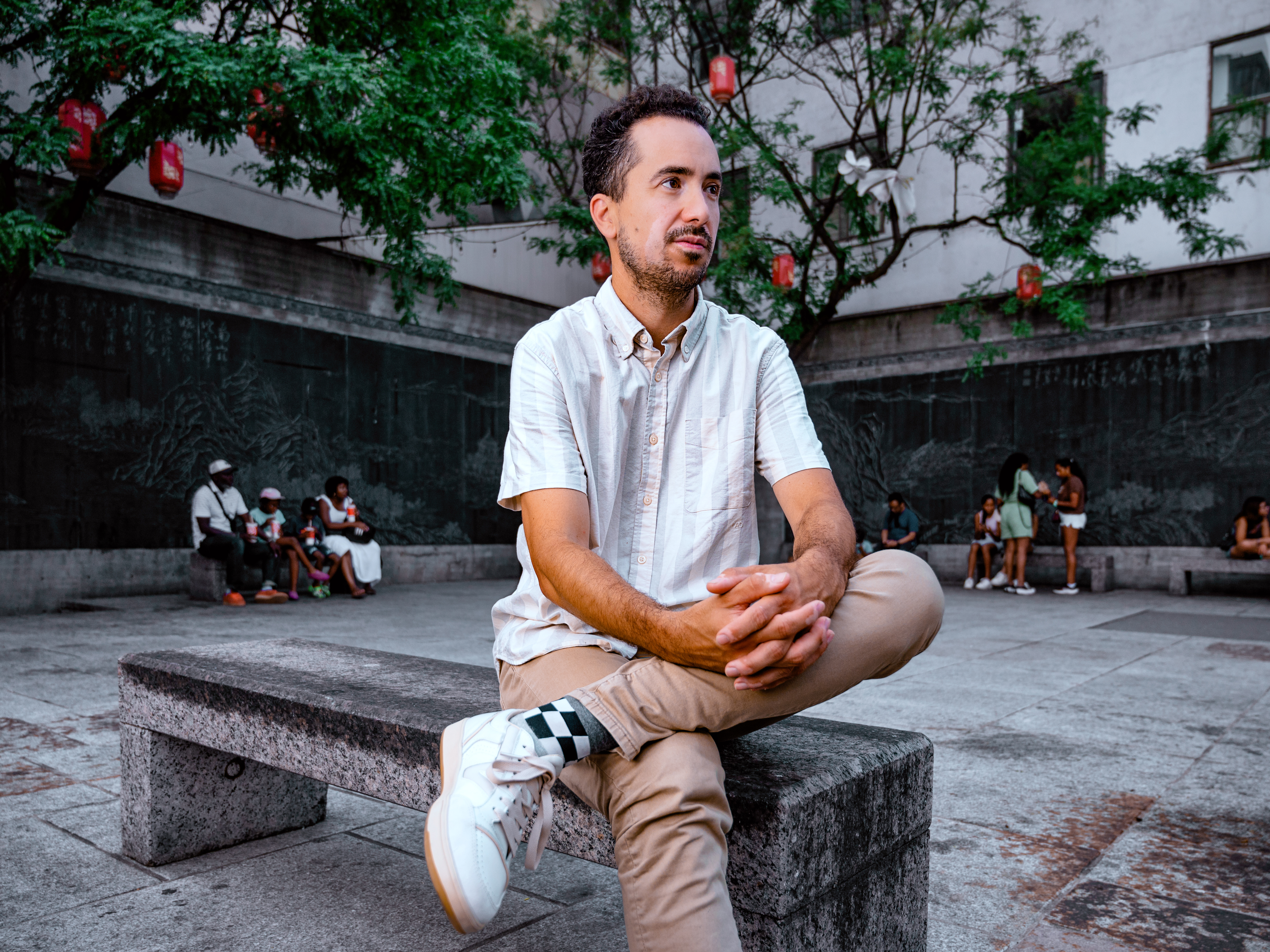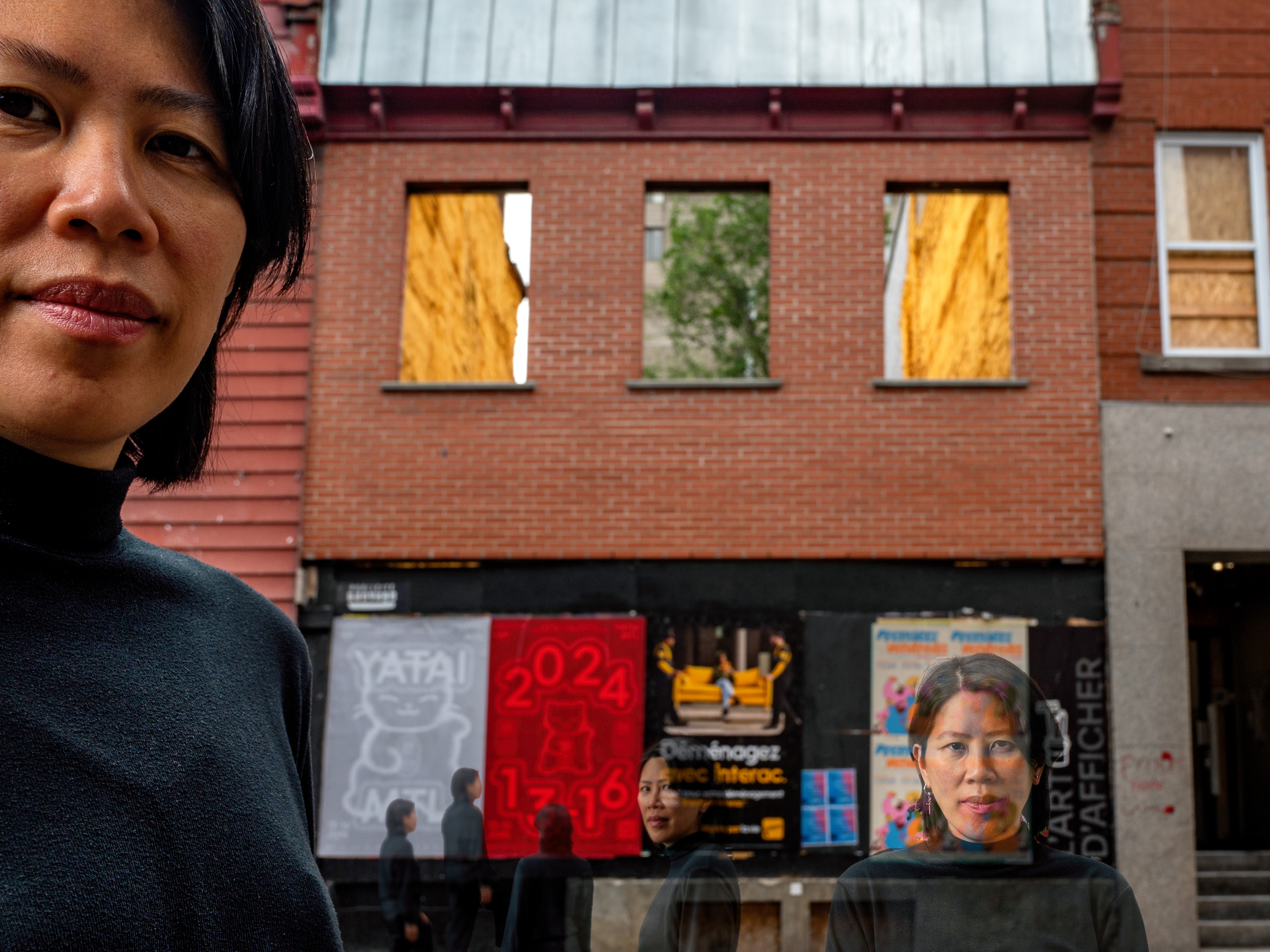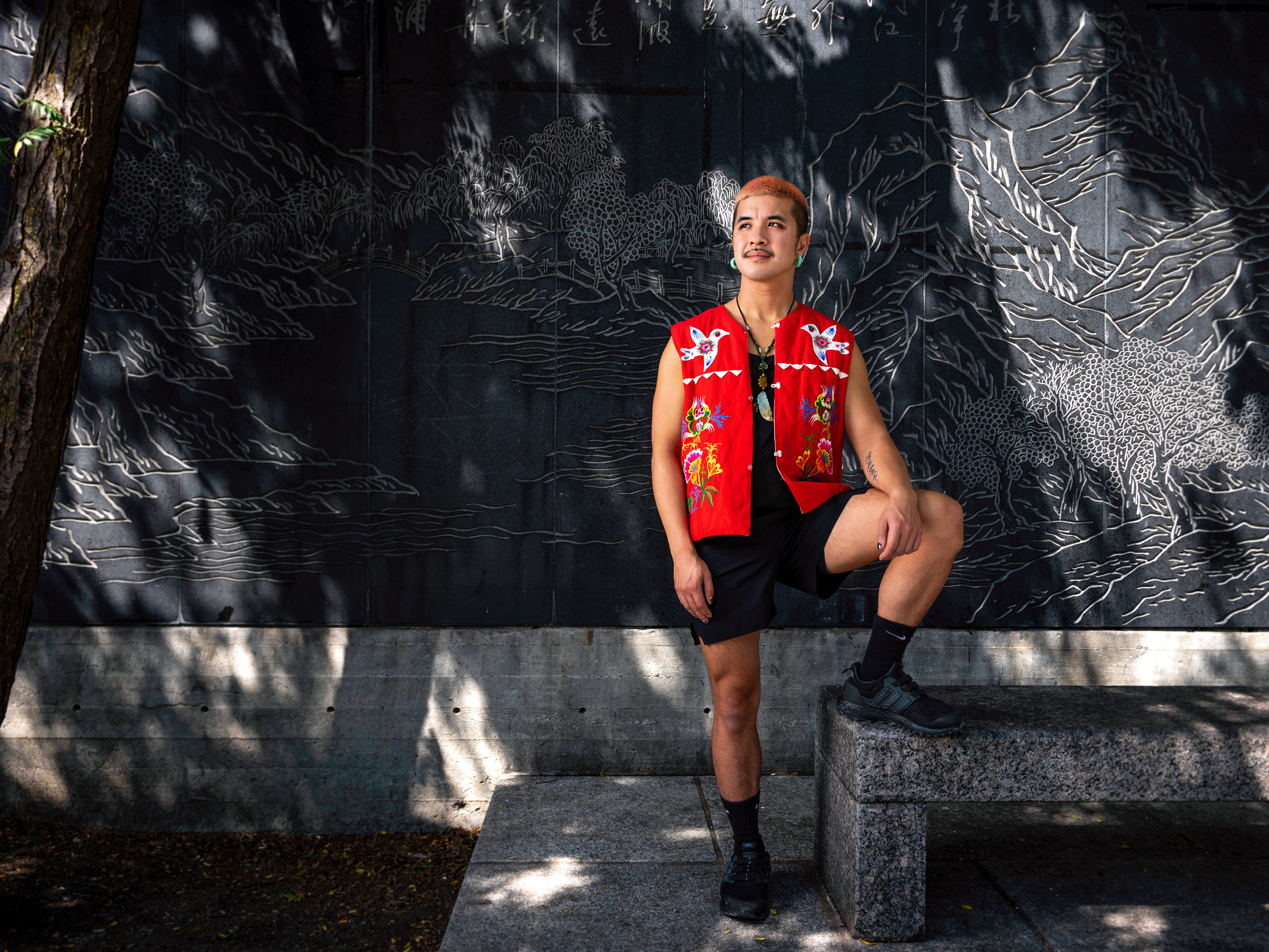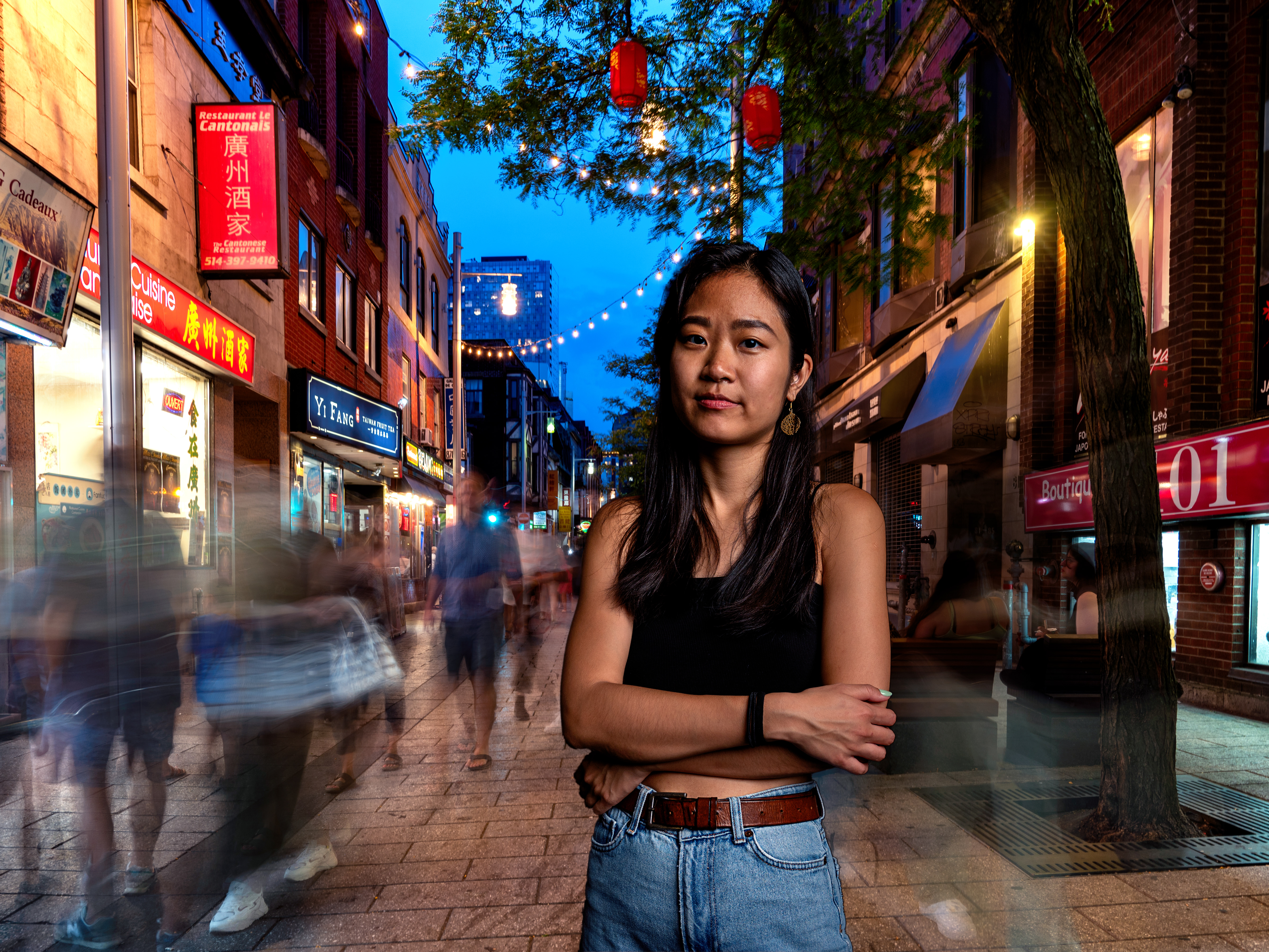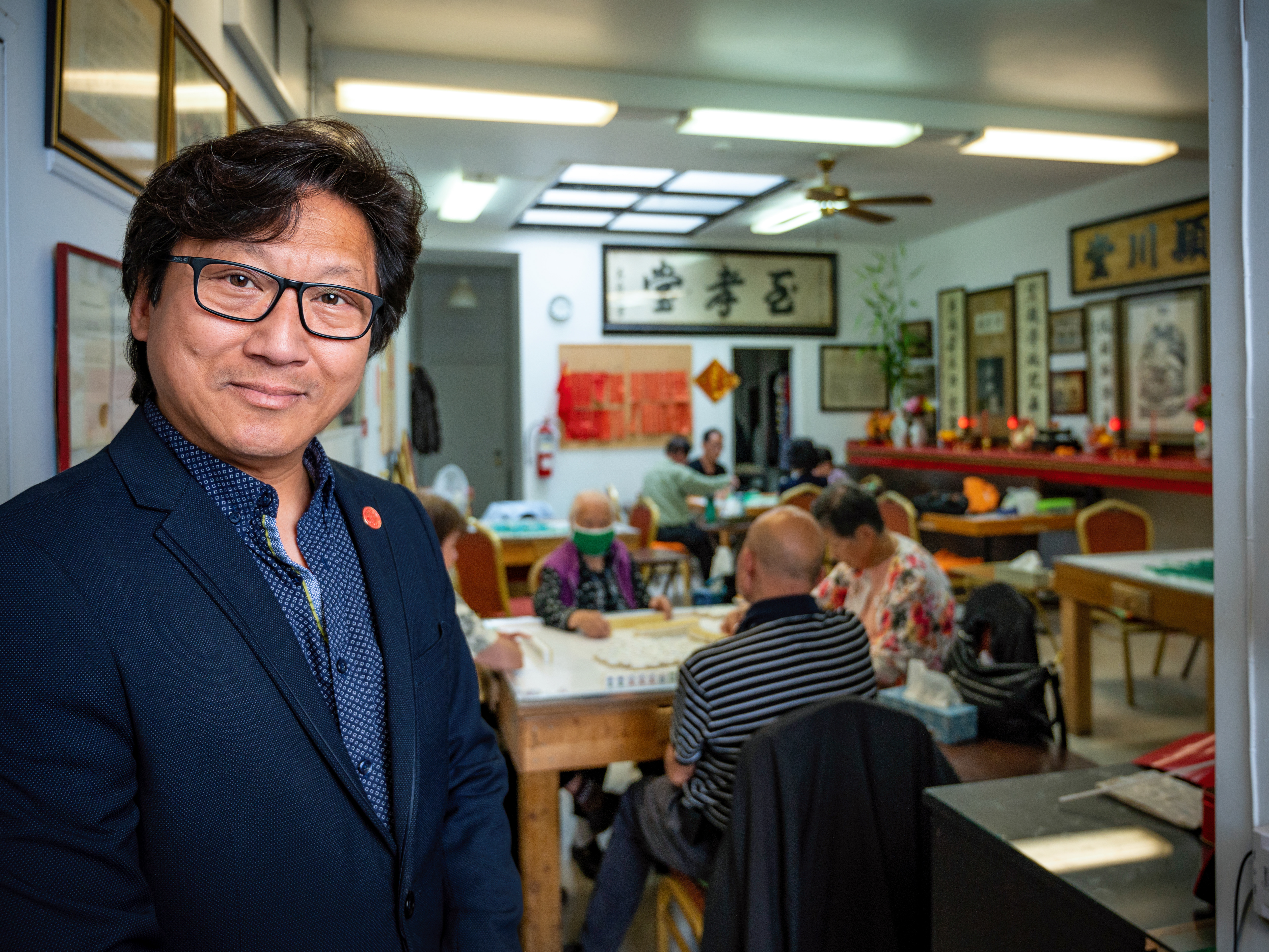
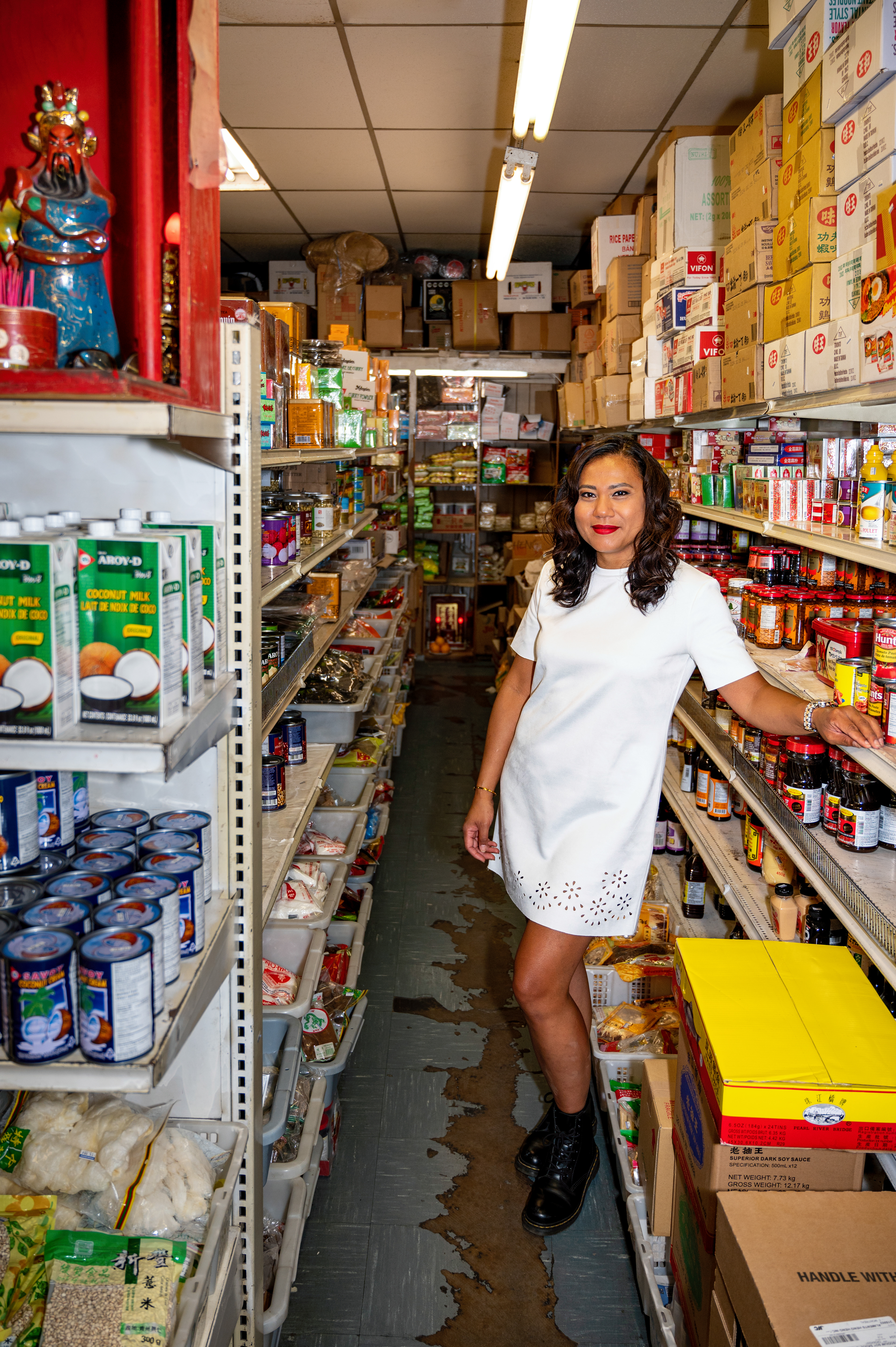
Le Quartier chinois, pour moi, c’est un lieu de réconfort où je me sens chez moi par rapport à ma culture d’origine, qui est le Cambodge. Ma mère est décédée il y a 5 ans. J’allais toujours chez « Heng Heng Chan Chaya Inc. » avec elle, une épicerie détenue par des propriétaires d’origine cambodgienne. Pour de nombreux Cambodgiens, nous avons une relation profonde avec la nourriture: nous avons vécu un génocide dont un des éléments de contrôle était par la bouffe - nous en avons été privés pendant 4 ans. Le Quartier chinois représente pour moi un lieu de réconciliation relationnel et vital. Un point de repère où je me sens moi-même, sans masques, sans artifices, sans jugements, où je sais qu’à même cet endroit, plusieurs parcours de vies migratoires asiatiques se rejoignent et se mélangent, avec celui des personnes natives d’ici et d’ailleurs. Le Quartier chinois est plus qu’un repère de ravitaillement alimentaire et un endroit touristique, c’est un lieu historique ancré dans la culture montréalaise. Plus qu’un repère alimentaire, il fait partie du passé de nombreuses personnes d’origine asiatique qui se sont bâtis un présent pour leurs familles et il est important de faire reconnaître notre richesse culturelle et historique. Je souhaite que le Quartier chinois soit un lieu d’échange culturel.
唐人街是一個讓我感到舒適的地方,在這裡,我對自己的柬埔寨文化有家的感覺。我母親五年前去世了。我以前經常和她一起去興興雜貨行,那是一家柬埔寨人開的雜貨店。許多柬埔寨人與食物有著深厚的關係:我們曾經歷過種族滅絕,其中一個控制手段就是食物,我們缺乏食物整整四年。對我來說,唐人街是一個關鍵性和解地。在這個地方,我感受到真正的自己,沒有面具、沒有偽裝、沒有批判,在這裡,亞洲移民和其生活與許多其他社群交織。唐人街不僅僅是一個美食和旅遊景點,更是一個紮根於滿地可文化的歷史之地。對許多亞裔人來說,唐人街代表著過去的一部分,他們在此為自己的家創造了現在。我希望唐人街成為一個文化交流的地方。
Chinatown, for me, is a place of comfort, where I feel at home with my Cambodian culture of origin. My mother passed away five years ago. I always went to Heng Heng Chanchaya with her, a grocery store owned by Cambodians. Many Cambodians have a deep relationship with food: we lived through a genocide, one of the controlling elements of which was food—we were deprived of it for four years. For me, Chinatown represents a vital place of reconciliation, of relation-building. A landmark where I feel myself, without masks, without artifice, without judgement, where many paths of Asian migration and life meet and join with others from here and elsewhere. Chinatown is more than a foodie and tourist spot; it’s a place of history, rooted in Montreal culture. It signifies a part of the past for many Asians who have built a present here for their families. I want Chinatown to be a place of cultural exchange.
唐人街是一個讓我感到舒適的地方,在這裡,我對自己的柬埔寨文化有家的感覺。我母親五年前去世了。我以前經常和她一起去興興雜貨行,那是一家柬埔寨人開的雜貨店。許多柬埔寨人與食物有著深厚的關係:我們曾經歷過種族滅絕,其中一個控制手段就是食物,我們缺乏食物整整四年。對我來說,唐人街是一個關鍵性和解地。在這個地方,我感受到真正的自己,沒有面具、沒有偽裝、沒有批判,在這裡,亞洲移民和其生活與許多其他社群交織。唐人街不僅僅是一個美食和旅遊景點,更是一個紮根於滿地可文化的歷史之地。對許多亞裔人來說,唐人街代表著過去的一部分,他們在此為自己的家創造了現在。我希望唐人街成為一個文化交流的地方。
Chinatown, for me, is a place of comfort, where I feel at home with my Cambodian culture of origin. My mother passed away five years ago. I always went to Heng Heng Chanchaya with her, a grocery store owned by Cambodians. Many Cambodians have a deep relationship with food: we lived through a genocide, one of the controlling elements of which was food—we were deprived of it for four years. For me, Chinatown represents a vital place of reconciliation, of relation-building. A landmark where I feel myself, without masks, without artifice, without judgement, where many paths of Asian migration and life meet and join with others from here and elsewhere. Chinatown is more than a foodie and tourist spot; it’s a place of history, rooted in Montreal culture. It signifies a part of the past for many Asians who have built a present here for their families. I want Chinatown to be a place of cultural exchange.